Rechargeable grooming products combine mechanical, electrical and battery components in a small handheld device. That makes quality control more demanding than for most consumer goods: a product can look perfect and still fail on day 30 because of a weak cell or a marginal charging circuit. For importers, those failures show up as returns, negative reviews and marketplace penalties.
This checklist follows the eight inspection stages we run on every order at our Wenzhou factory. Use it to audit any supplier — or as a template for your own inspection plan.
1. Incoming material inspection
Quality starts before assembly. Battery cells, motors, blades, PCBs and housings should be checked against specification on receipt: cell capacity and model, motor speed, blade hardness and flatness, housing color against the approved standard. Rejecting a bad batch of components costs far less than reworking finished goods.
2. Semi-finished product inspection
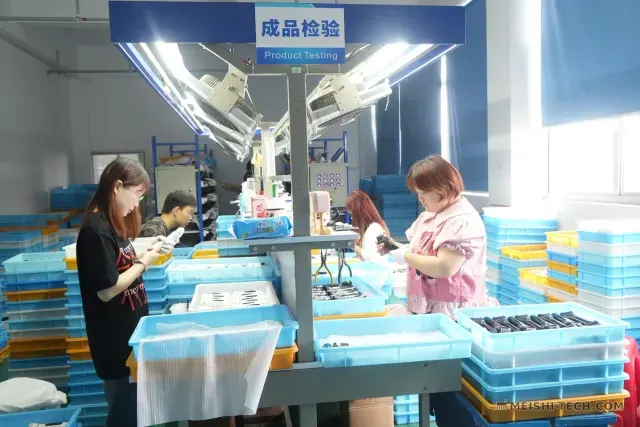
In-process checks during assembly catch defects while they are still cheap to fix — loose wiring, misaligned blades, poor housing fit, damaged switch contacts. Ask suppliers where their in-process checkpoints sit and what is recorded at each one.
3. Charging test
Every unit should be charged and checked: charging current, indicator behavior, interface fit (USB Type-C or adapter) and correct shut-off when full. Charging faults are one of the most common causes of returns on rechargeable products, so this is a 100% test, not a sample check.
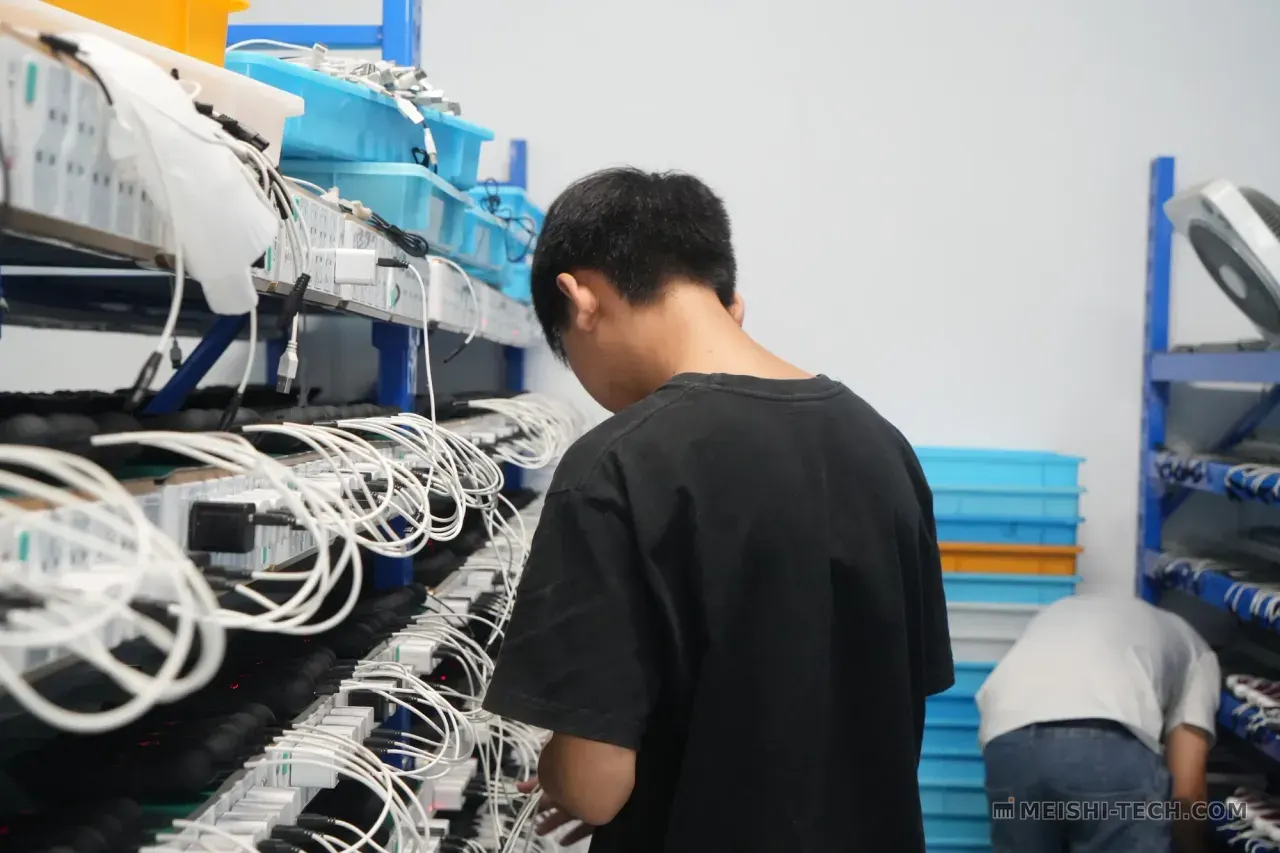
4. Battery aging test
Aging racks run units through repeated charge-and-discharge cycles to confirm capacity and runtime hold up. This step filters out weak cells and early failures that would otherwise reach your customers. It is also where claimed runtime — for example "≥90 minutes" on a 600 mAh grooming kit — is validated.
5. Blade sharpness and alignment test
Cutting performance is what the end user judges first. Blades are checked for sharpness, alignment between fixed and moving blade, and gap — too tight and the blade runs hot, too loose and it pulls hair. Professional clippers with taper levers also need adjustment travel checked.
6. Drop test
Grooming products get dropped on bathroom tiles. Sample units are drop-tested to confirm the housing, battery fixing and blade mounting survive realistic impacts.
7. Final inspection
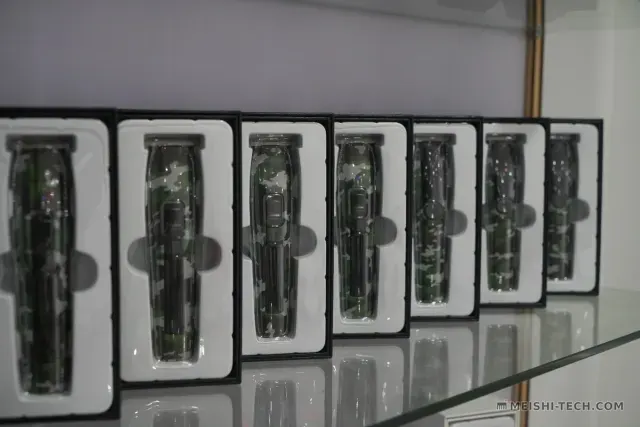
Before packing, each finished unit is checked for function, noise, appearance and complete accessories against the order specification — correct guide combs, brush, cable, manual language and labeling.
8. Pre-shipment random inspection (AQL)
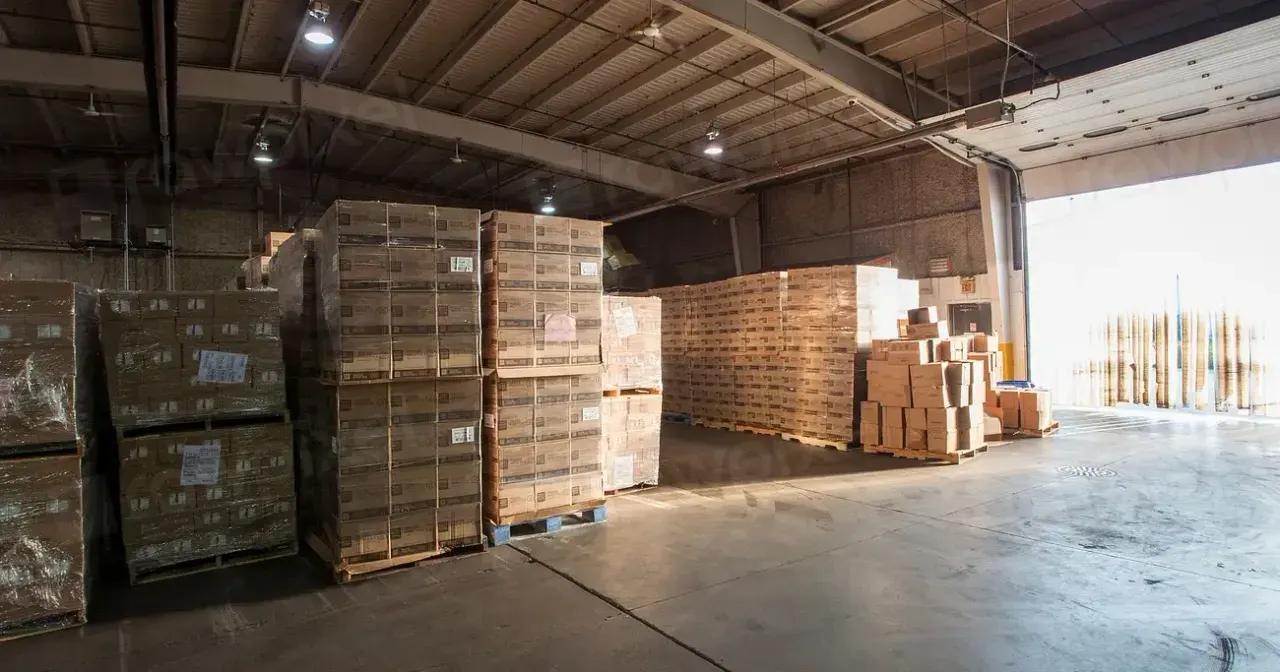
Finally, finished cartons are randomly sampled using AQL (Acceptable Quality Limit) tables. A common buyer standard is General Inspection Level II with separate limits for critical, major and minor defects; the exact levels should be agreed in your purchase order. Many importers also book a third-party inspector at this stage.
What documentation to ask for
- Incoming inspection records for key components (especially battery cells).
- Charging and aging test records for the production batch.
- Final and pre-shipment inspection reports with photos.
- Battery transport documents (UN38.3 summary and SDS) — see our certification guide.
How Meishi runs quality control
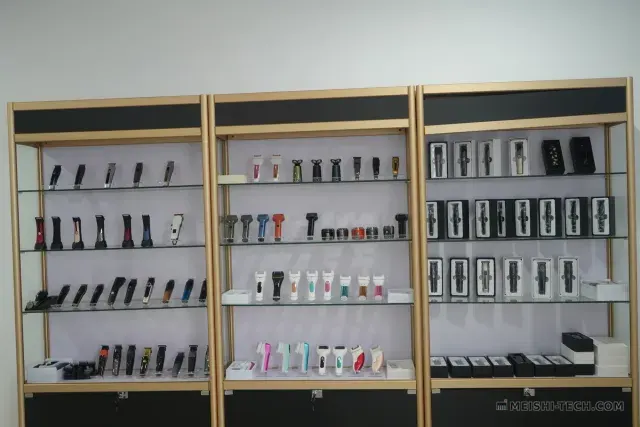
All eight stages above are part of our standard quality control process, carried out by an in-house quality team on our own production lines. Inspection reports are available per order, and buyers are welcome to send their own inspectors. If you are evaluating suppliers, our guide on how to choose a hair clipper manufacturer in China explains what else to look for.
Want to see how we would inspect your product? Contact our export team for a sample inspection report and quotation.
Frequently asked questions
What is AQL in pre-shipment inspection?
AQL (Acceptable Quality Limit) is a statistical sampling method that defines how many units to inspect from a batch and how many defects are acceptable for critical, major and minor categories.
Why is a battery aging test important for hair clippers?
Repeated charge-discharge cycles reveal weak cells and early capacity loss before shipment, reducing field failures, returns and negative reviews.
Should every unit be charge-tested?
Yes. Charging faults are a leading cause of returns for rechargeable products, so the charging test should be performed on 100% of units rather than on a sample.
Can I send my own inspector to the factory?
Yes. We welcome buyer or third-party inspections, typically at the pre-shipment stage against the approved sample and agreed AQL levels.